The Expert Edit: Why Your Next Brand Event Deserves a Creative Director
Every brand event begins with an idea, but the best ones end with an experience nobody can quite put into words.
Somewhere during the process between the initial brief and the final toast, a gap often becomes obvious. Between what a business wants their event to feel like, and what actually gets delivered. Closing that gap isn’t about bigger budgets or busier mood boards. It’s about creative direction and the expertise that takes a Pinterest board full of good ideas and turns it into a room full of people who won’t stop talking about it.
A creative director ensures every element of a brand event works towards the same commercial and creative objective, from the event format and venue through to styling, suppliers and guest experience. Whilst anyone can find a trend, what’s harder to find is the judgement to know which of those ideas will genuinely serve your brand, and the expertise to execute them without the wheels coming off. That’s the work of a creative director.
For B2B brands in particular, this distinction matters. Your event is a piece of brand strategy with a guest list. Every colour choice, every detail, every trend you say yes or no to is doing work on your behalf. Getting it right starts before you book a single supplier, which is why having an expert on board matters.
At Word On The Street, our experience creating unforgettable events is unmatched. From book launches to awards ceremonies, we manage all aspects of your event, helping to create a legacy that isn’t forgotten.
Choosing the Right Brand Event for Your Goals
A creative director’s first job isn’t picking a colour palette; it’s interrogating the brief. A product launch built to generate press coverage needs a completely different structure from a smaller client dinner designed to deepen a handful of key relationships. A staff incentive event built around culture and retention has different success metrics than a conference designed to position your leadership as category experts.
Each event style brings something different. A product launch can create momentum around something new, giving press, customers and stakeholders a reason to engage with the product first-hand. A brand activation can be more immersive, encouraging people to experience the brand in a memorable way and helping to drive participation, social sharing and stronger brand recall. A corporate dinner or reception, meanwhile, is often less about reaching large numbers of people and more about creating the right environment for meaningful conversations, relationship-building and deeper connections.
Choosing the right type of event, whether that’s a product launch or brand activation, a corporate reception or dinner, or something entirely bespoke, is a strategic decision, not an aesthetic one. Get this wrong, and no amount of styling further down the line will fix it. A creative director builds every subsequent decision backwards from this point, so the format is always working towards your goal rather than simply looking good.

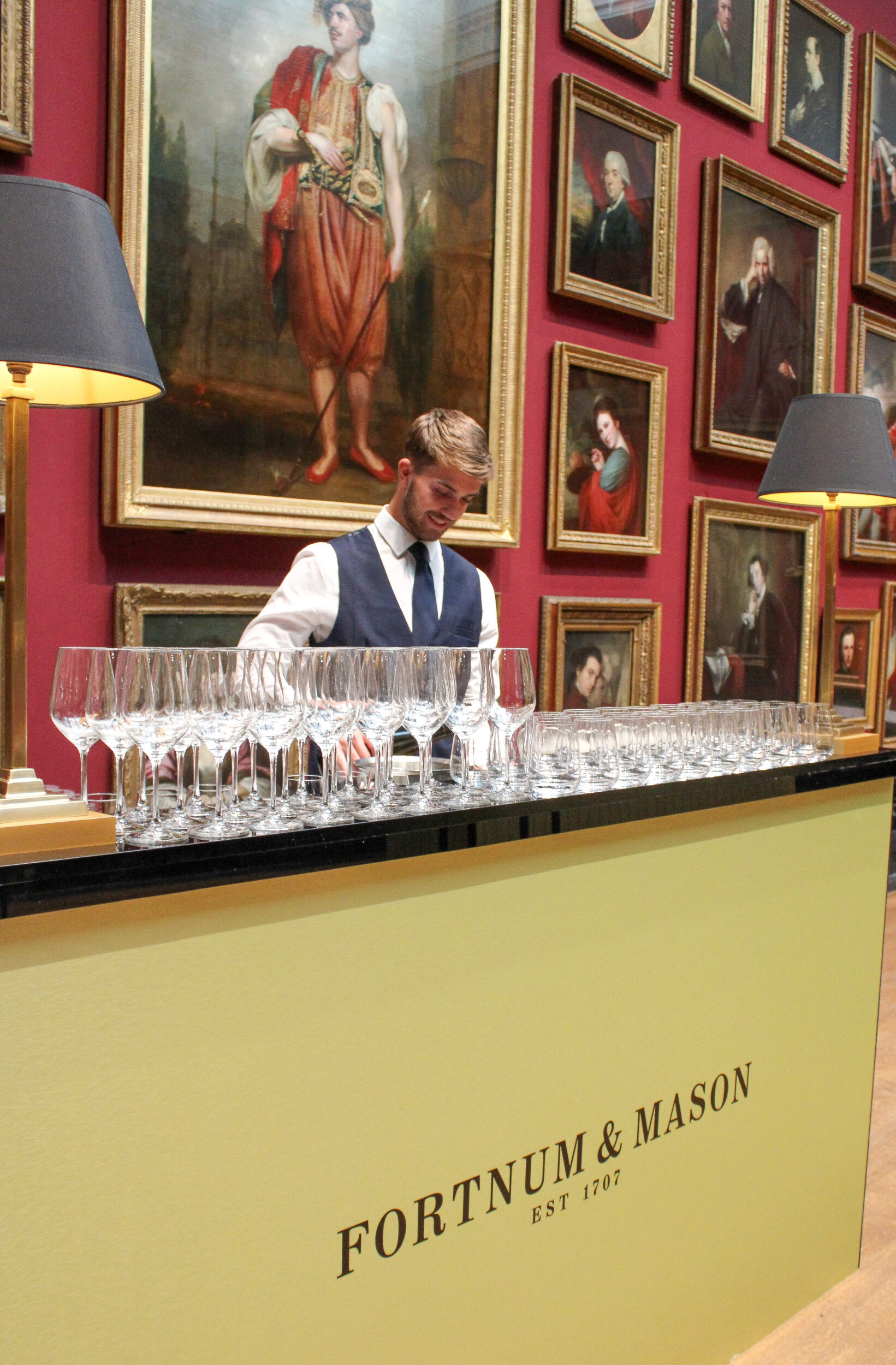
Judgement Over Trends: Knowing What to Say Yes To
Once you’ve settled on the type of event you’re having, the details are what separate a memorable brand event from a forgettable one. This is where the most interesting work happens. It’s not all about following the latest trends, but about knowing which ones are worth bringing into your event and how far to push them.
Once the format is right, the real skill is in curation and deciding which trends actually deserve a place at your event, and why. A skilled creative can come up with bold, original ideas, but also knows how to bring them to life within the realities of the timeframe and budget without losing the spark of the original concept.
That balance is actually quite difficult. It’s easy to come up with weird and wonderful ideas, but turning them into something that is achievable, effective and still feels exciting within set constraints takes real skill.
Here’s how that judgement plays out against three ideas currently doing the rounds.
Bold Colour and Drapery: Reading the Room
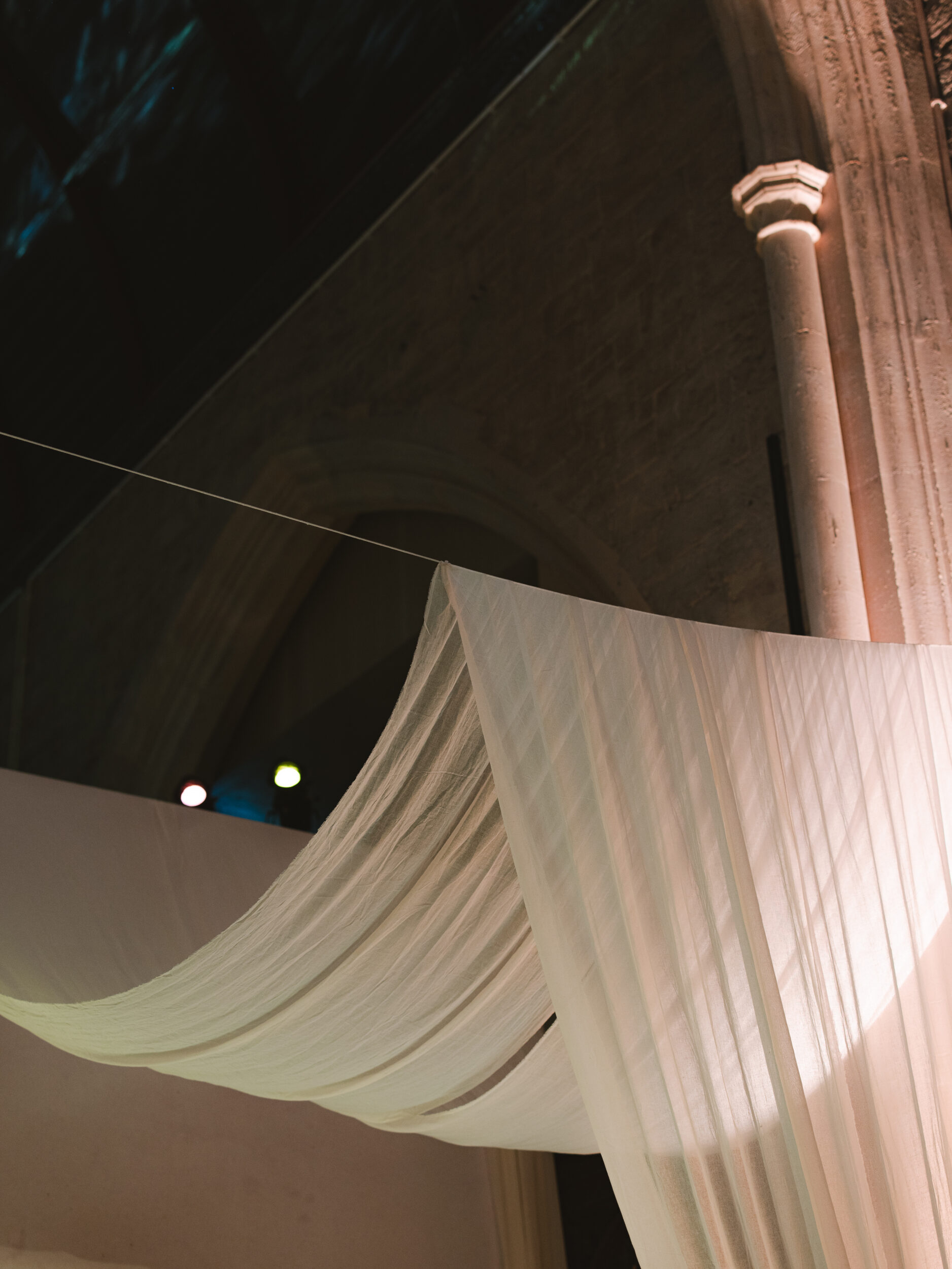
Bold, saturated drapery can transform a space entirely. But it only works when someone has assessed whether the venue’s proportions, lighting rig and structural allowances can actually support it. This is where a creative director’s technical knowledge matters as much as their eye. Knowing which venues can carry a bold concept, and which will fight it, is the difference between an immersive brand moment and an expensive mistake.
Branded Food and Drink: Making the Details Count
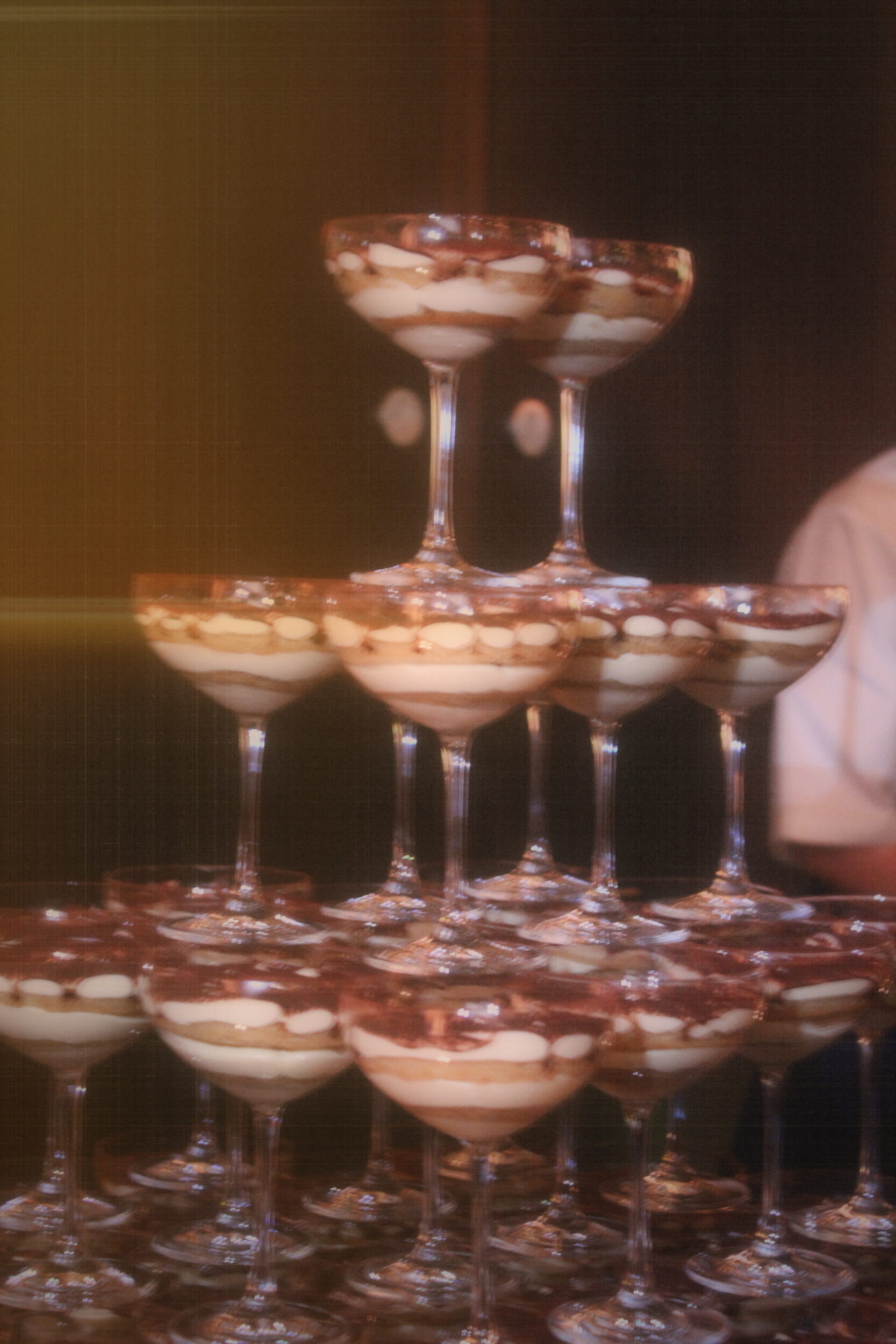
Branded food and drink can be a brilliant way to weave your identity into the guest experience without simply putting a logo on another surface. That could mean a tiramisu dusted with your branding, a flavour developed around your brand story, or even branded ice served as part of a signature cocktail.
But these details only work when they’re backed by the right supplier relationships and logistics. Can they be produced at the volume required? Will the ice still look the way it should when it reaches the glass? Can the kitchen deliver the idea consistently throughout the evening? A creative director pressure-tests those details before they ever reach your guests, turning what could easily feel gimmicky into a memorable part of the experience.
Bespoke Soundscapes: Branding Beyond What Guests Can See
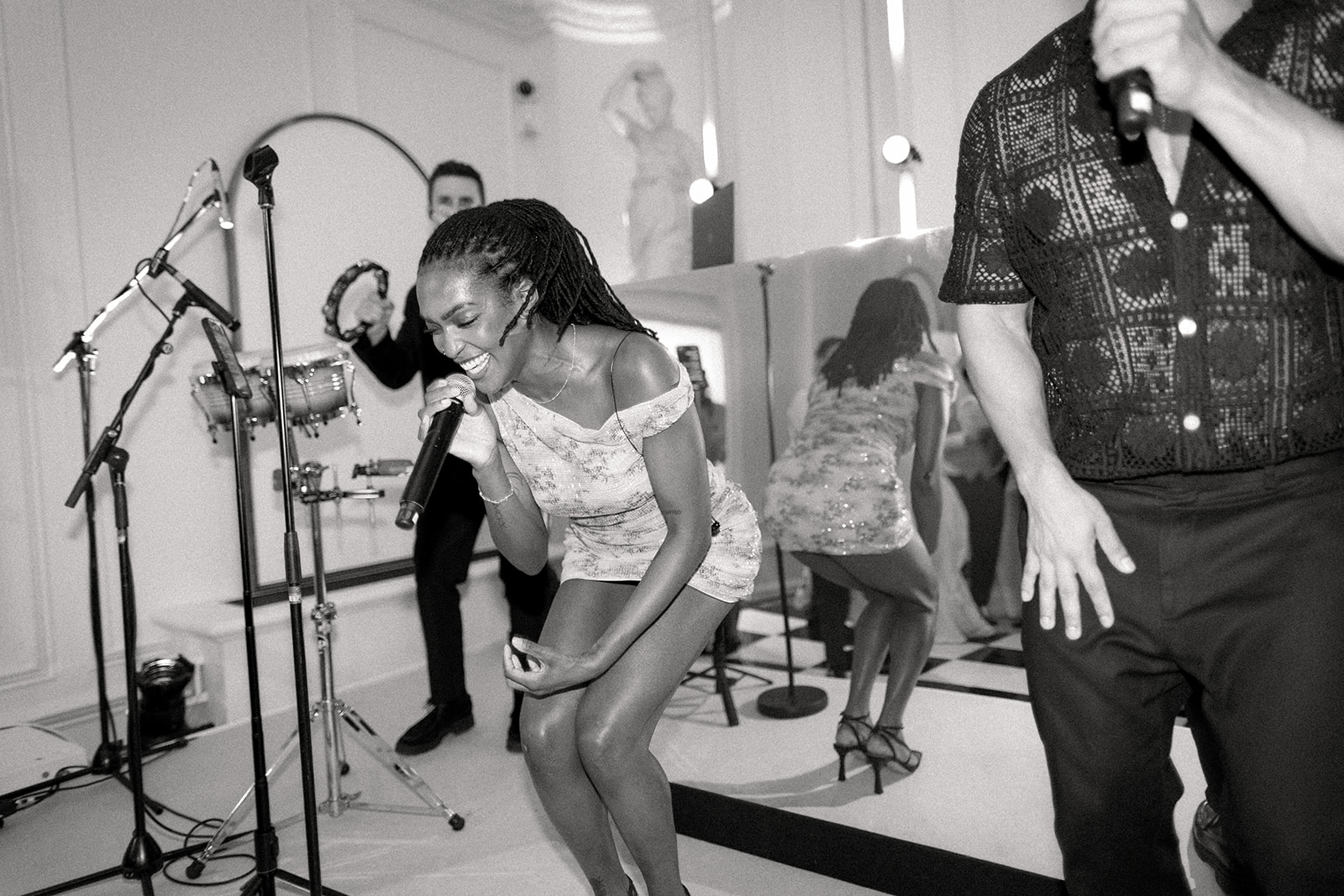
Some of the most effective creative details aren’t visual at all. A bespoke soundscape can subtly shape how an event feels, whether that’s music that changes as guests move through different spaces, unexpected audio moments built into an activation, or a soundtrack created specifically around the personality of the brand.
It’s a more unusual way of bringing a brand to life, but again, the idea is only part of the job. Venue acoustics, timings, technical equipment and the wider guest experience all need to work together. Done well, sound becomes something guests feel without necessarily noticing why. Done badly, it becomes a distraction. Knowing the difference is exactly where creative direction earns its place.
Why This Judgement Can't Be Outsourced to a Checklist
What connects all of these examples is that the idea is rarely the hard part. It’s knowing which ideas deserve investment, which need adapting to your venue and budget, and which should be left on the mood board entirely.
It’s knowing which ideas deserve investment, which need adapting to your venue and budget, and which should be left on the mood board entirely. That’s not a matter of taste; it’s the accumulated experience of having seen what works, what doesn’t, and why.
A creative director holds your brand’s objectives, your guests’ experience, and a dozen moving logistical parts in mind at once. They shape all of it into something that feels effortless on the night. That’s the real value on offer: not just imagination, but the expertise to turn ambitious ideas into a flawless reality.
Get in Touch
If you’re planning a brand event and want a partner who can bring that level of creative direction to your ideas, find out more about our approach and get in touch.